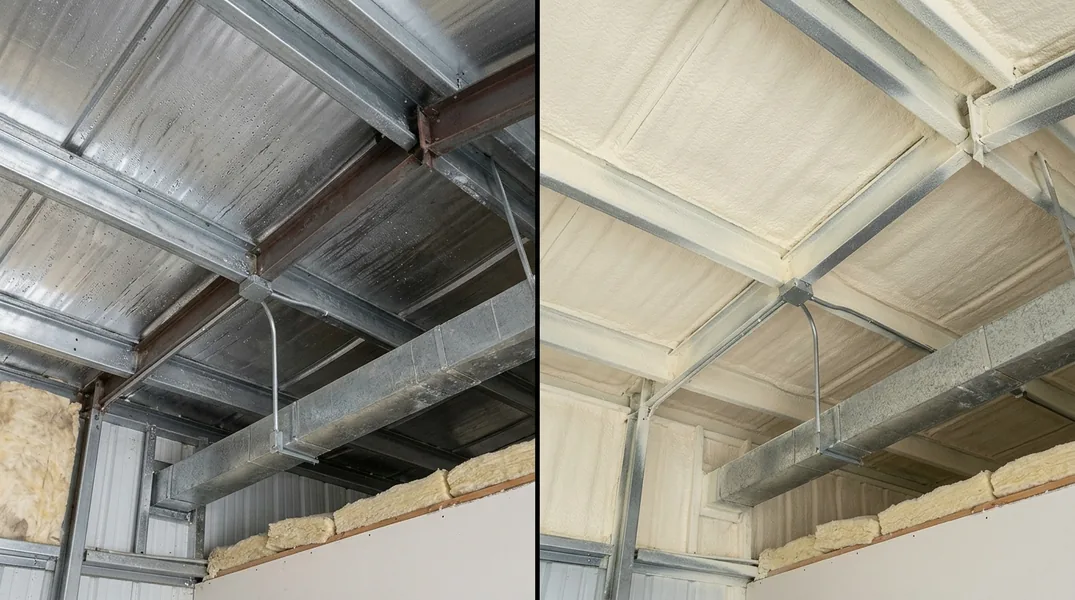
Why Crawl Spaces Matter: The Hidden Energy Problem in Columbia Homes
Most homeowners don't think much about their crawl spaces until a problem forces their hand. Yet crawl spaces are one of the most critical areas of your home, especially in Columbia where moisture from seasonal weather patterns can wreak havoc on your foundation, insulation, and indoor air quality. A poorly insulated or unsealed crawl space can account for up to 15 percent of your home's total energy loss, making your heating and cooling systems work overtime and driving up utility bills month after month.
The problem is compounded by the fact that traditional insulation materials like fiberglass batts and blown-in cellulose absorb moisture like a sponge. When humid air infiltrates your crawl space, these materials lose their R-value effectiveness and can develop mold, mildew, and structural rot. This is why Closed Cell Spray Foam Insulation has become the preferred solution for homeowners in Columbia who want a permanent, moisture-resistant barrier that actually improves over time rather than deteriorates.
Spray Foam vs Blown In Insulation: Why Spray Foam Wins for Crawl Spaces
The comparison between spray foam vs blown in insulation often comes down to performance in damp environments, and crawl spaces are the perfect case study for why spray foam is superior. Blown in insulation, whether cellulose or fiberglass, relies on air pockets to trap heat. While this works reasonably well in dry attics, it fails spectacularly in crawl spaces where moisture is a constant threat. Once blown in insulation gets wet, it compacts, loses its R-value, and becomes a breeding ground for mold and mildew that can spread throughout your home.
Spray foam, by contrast, creates a continuous air-sealed barrier that actively repels moisture rather than absorbing it. When applied to crawl space walls and rim joists, closed cell spray foam expands into every crack, crevice, and gap, eliminating the air leakage pathways that allow humid outdoor air to enter. The result is a sealed, insulated envelope that maintains consistent temperatures and keeps moisture out. Additionally, spray foam doesn't settle or compress over time the way blown in insulation does, so your energy efficiency doesn't degrade after a few years.
Spray Foam vs Fiberglass: Moisture Resistance and Long-Term Value
Fiberglass batts have been the standard insulation material for decades, but they're particularly ill-suited for crawl spaces. The spray foam vs fiberglass debate becomes crystal clear when you examine what happens in a damp environment. Fiberglass is hygroscopic, meaning it naturally absorbs moisture from the air. In a humid crawl space, fiberglass batts will absorb water, sag under their own weight, and lose R-value rapidly. Worse, the paper or kraft facing on many fiberglass batts can trap moisture against your rim joists and band boards, accelerating wood rot and structural damage.
Spray foam eliminates these problems entirely. Closed cell spray foam is hydrophobic, meaning it actively resists water absorption. It doesn't sag, doesn't settle, and doesn't support mold growth. When you apply spray foam to your crawl space, you're investing in a solution that will protect your home for 20, 30, or even 40 years with virtually no degradation. The upfront cost is higher than fiberglass, but the long-term value is dramatically superior because you won't need to replace your insulation, remediate mold damage, or deal with structural repairs caused by moisture infiltration.
Spray Foam vs Cellulose: Why Cellulose Falls Short in Damp Crawl Spaces
Blown in cellulose insulation is often marketed as an eco-friendly, cost-effective alternative to fiberglass, but it's actually one of the worst choices for crawl spaces. Cellulose is made from recycled paper, which means it's extremely hygroscopic and will absorb moisture aggressively. In a damp crawl space, cellulose can absorb up to 30 percent of its weight in water, at which point it becomes essentially worthless as insulation and creates a perfect environment for mold and pest infestations. The spray foam vs cellulose comparison is particularly stark in humid climates where crawl space moisture is inevitable.
Furthermore, cellulose requires a vapor barrier to prevent moisture damage, adding another layer of complexity and expense to your project. Even with a vapor barrier, cellulose remains vulnerable because air leakage around the barrier allows humid air to reach the insulation. Spray foam doesn't have these limitations. It serves as both insulation and air barrier simultaneously, eliminating the need for additional vapor barriers and creating a complete, integrated moisture control system. For homeowners in Columbia dealing with damp crawl spaces, spray foam is simply the more intelligent choice.
Best Insulation for Attic and Crawl Space Comparison: Why One Size Doesn't Fit All
While this article focuses on crawl spaces, it's worth understanding how the best insulation for attic applications differs from crawl space needs. Attics are typically dry environments where Attic Spray Foam Insulation or even blown in insulation can perform adequately. However, crawl spaces are fundamentally different. They're below grade or partially below grade, exposed to ground moisture, and connected to outdoor air through foundation vents. These conditions demand a moisture-resistant solution that spray foam provides and traditional insulation cannot.
Some homeowners try to use the same insulation strategy for both spaces and end up with problems in their crawl spaces while their attics remain fine. The lesson here is that crawl space insulation requires specialized solutions. Open Cell Spray Foam Insulation can work in certain crawl space applications where moisture control is less critical, but closed cell spray foam is the gold standard for most Columbia homes because it provides superior moisture resistance alongside excellent R-value performance.
Crawl Space Spray Foam Installation Near Me: What to Expect from Columbia Spray Foam Insulation
If you're ready to upgrade your crawl space insulation, understanding the installation process will help you make an informed decision. Professional spray foam installation begins with a thorough inspection of your crawl space to identify moisture sources, air leakage points, and structural issues that need attention before insulation is applied. At Columbia Spray Foam Insulation, we assess your entire crawl space environment to recommend the right spray foam type and coverage strategy for your specific situation.
The installation itself involves applying spray foam to rim joists, band boards, foundation walls, and any other surfaces where air leakage or heat transfer occurs. The foam expands as it cures, filling gaps and creating a seamless, continuous barrier. Most crawl space projects can be completed in a single day, and the foam reaches its full R-value within 24 hours. If you're concerned about your crawl space's condition or energy efficiency, contact Columbia Spray Foam Insulation at (573) 685-4104 to schedule a free estimate and learn how spray foam can transform your home's comfort and efficiency.
Looking for a professional spray foam insulation contractor in Columbia? Columbia Spray Foam Insulation responds fast for all your spray foam insulation needs.
Get a Free Quote