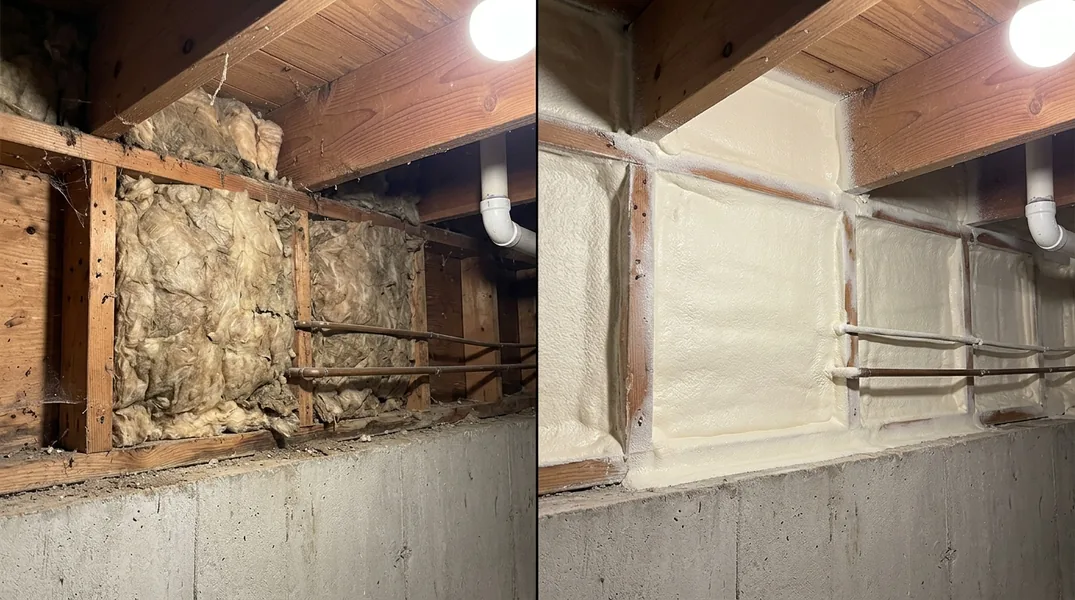
Why Mid-Century Ranches Need Insulation Upgrades
Mid-century ranch homes have a timeless charm that appeals to many homeowners in Columbia and surrounding areas. Built between the 1940s and 1970s, these single-story designs offer open layouts, clean lines, and a connection to post-war American optimism. However, their construction methods often included insulation materials that simply don't meet today's energy efficiency standards. Many of these homes were built with fiberglass batts, mineral wool, or even outdated materials like vermiculite insulation, which can settle over decades and lose its thermal resistance.
The reality is that homes built during the mid-century era typically have attics that are either under-insulated or filled with degraded insulation that no longer performs effectively. Energy bills climb higher each season, and homeowners struggle to maintain comfortable temperatures year-round. The good news is that upgrading these older homes with modern spray foam technology can dramatically improve comfort, reduce energy costs, and protect your home from moisture and air infiltration. If you own a mid-century ranch anywhere from Columbia to Ashland, now is an excellent time to assess your current insulation and plan an upgrade.
Understanding Old Insulation Removal: What You Need to Know
Old insulation removal is the critical first step in any attic upgrade project. Before new spray foam can be installed, the existing insulation must be carefully removed and disposed of properly. This isn't simply a matter of pulling out old batts and sweeping the attic clean. Professional insulation removal involves identifying what type of insulation is in your attic, assessing whether it contains hazardous materials, and safely extracting it while protecting your home and family from contamination.
Many homeowners are surprised to learn that older insulation can harbor dust mites, rodent droppings, mold, and other contaminants that accumulate over decades. Attic insulation removal by trained professionals ensures that your attic is thoroughly cleaned and prepared for new installation. The team will inspect the attic framing, check for pest damage, seal any gaps or cracks, and address ventilation concerns before spray foam is applied. This preparation is essential for achieving the best performance from your new insulation system. Taking time to do removal correctly prevents future problems and ensures your new Attic Spray Foam Insulation performs as intended.
Attic Spray Foam Insulation Cost in Columbia: What to Budget
When homeowners consider upgrading their insulation, cost is often the first question. Insulation removal cost and spray foam installation pricing vary based on several factors, including the size of your attic, the type and amount of existing insulation, local labor rates, and the specific spray foam product chosen. In Columbia, a typical attic spray foam project might range from moderate to significant investment, but the long-term energy savings often justify the expense within five to ten years.
The pricing for spray foam insulation projects depends on whether you choose Closed Cell Spray Foam Insulation or Open Cell Spray Foam Insulation. Closed cell foam offers superior R-value per inch and provides a vapor barrier, making it ideal for attics in humid climates. Open cell foam is more affordable and offers good thermal performance while allowing moisture to pass through. Both options outperform traditional fiberglass or mineral wool insulation in terms of air sealing and long-term durability. Rather than guessing at costs, the best approach is to request a free estimate from Columbia Spray Foam Insulation. Our team will assess your specific situation, explain the options, and provide transparent pricing so you can make an informed decision.
Vermiculite Insulation: A Special Concern for Older Homes
Vermiculite insulation was a popular choice in mid-century homes because it was lightweight, affordable, and provided decent thermal resistance. This granular material was often poured loose into attics and walls as a convenient way to add insulation. However, vermiculite produced by certain manufacturers, particularly the Libby, Montana mine, was contaminated with asbestos. Homes built between the 1930s and 1970s are most likely to contain asbestos-contaminated vermiculite, though it can be found in homes built into the 1980s.
If your mid-century ranch contains vermiculite insulation, professional assessment and removal become even more critical. Disturbing asbestos-containing materials can release harmful fibers into the air, creating serious health risks. Columbia Spray Foam Insulation recommends having your attic professionally inspected if you suspect vermiculite insulation is present. Licensed professionals can safely handle removal and disposal according to EPA guidelines. Once the old vermiculite is gone, your attic can be properly sealed and upgraded with modern spray foam that provides superior performance without any health concerns. This transformation not only improves your home's energy efficiency but also eliminates a potential hazard that previous owners may not have even been aware of.
The Spray Foam Advantage: Why Modern Insulation Outperforms Old Materials
Spray foam insulation represents a significant leap forward compared to materials used in mid-century construction. When applied by professionals, spray foam expands to fill every cavity, crack, and gap in your attic, creating a continuous thermal barrier that traditional batts and loose-fill materials simply cannot match. This comprehensive air sealing reduces infiltration of unconditioned outside air, which is responsible for much of the energy loss in older homes. Additionally, spray foam adheres to surfaces, so it won't settle or shift over time like fiberglass batts or vermiculite.
For homeowners in the Columbia area, the climate benefits of spray foam are particularly valuable. Missouri's hot, humid summers and cold winters place significant demands on HVAC systems. Spray foam's superior insulation value and air-sealing properties mean your air conditioning and heating systems work more efficiently, reducing strain on equipment and extending its lifespan. Beyond energy savings, spray foam provides moisture control, helps prevent ice dams in winter, and can reduce noise transmission from outside. These benefits combine to create a home that is more comfortable, more durable, and less expensive to operate.
Planning Your Attic Spray Foam Insulation Project Near Me: Next Steps
If you're ready to upgrade your mid-century ranch with modern spray foam insulation, the first step is scheduling a professional assessment. Columbia Spray Foam Insulation serves homeowners throughout the region, and our team understands the unique challenges of older homes. We'll evaluate your current insulation, discuss your energy concerns, explain removal and installation options, and provide a detailed estimate for your project.
Don't let outdated insulation continue to drain your energy budget and compromise your comfort. Contact Columbia Spray Foam Insulation today at (573) 685-4104 or visit our website to request your free estimate. Whether your home contains old fiberglass, vermiculite, or other outdated materials, we have the expertise and equipment to remove it safely and install modern spray foam that will serve your home for decades. Your mid-century ranch deserves an insulation system that matches its character with the performance and durability it truly needs.
Looking for a professional spray foam insulation contractor in Columbia? Columbia Spray Foam Insulation responds fast for all your spray foam insulation needs.
Get a Free Quote