Understanding Columbia's Mixed-Humid Climate Zone
Columbia sits squarely in what building scientists call a mixed-humid climate zone. This classification means the region experiences moderate winters, hot summers, and significant moisture throughout the year. Unlike truly dry climates or cold northern zones, Columbia homeowners face a unique set of insulation challenges that demand a thoughtful, science-backed approach.
The combination of humidity and temperature swings creates conditions where traditional fiberglass or cellulose insulation can absorb moisture, lose effectiveness, and even promote mold growth in crawl spaces and attics. Your home's envelope needs to work harder here. It must keep conditioned air inside during summer cooling cycles, prevent heat loss in winter, and actively resist moisture infiltration year-round. This is where spray foam insulation shines as a superior solution for local homeowners.
Why Crawl Space Insulation Matters in Mixed-Humid Climates
Crawl spaces are often the forgotten frontier of home insulation, yet they represent one of the most critical areas in a mixed-humid climate. These below-grade or semi-enclosed spaces are naturally prone to moisture accumulation, which can lead to structural rot, pest infestations, and compromised indoor air quality. Traditional crawl space insulation methods like batts or blankets absorb moisture like a sponge, degrading over time and losing their R-value effectiveness.
Crawl space spray foam addresses this vulnerability head-on. When you apply spray foam to crawl space walls and rim joists, it creates an air-tight, moisture-resistant barrier that actively prevents humidity from creeping into your living spaces above. The foam adheres directly to wood framing, concrete, and brick, eliminating gaps where air and moisture leak through. This sealed environment not only improves energy efficiency but also protects your home's structural integrity and keeps your floors warmer during cold months.
Closed Cell vs. Open Cell: Which Spray Foam Works Best for Your Home
When exploring spray foam options for your Columbia home, you'll encounter two main types: Closed Cell Spray Foam Insulation and Open Cell Spray Foam Insulation. Each has distinct advantages depending on your specific application and climate needs.
Closed Cell Spray Foam Insulation is the premium choice for mixed-humid climates like ours. Its dense structure (approximately 3.6 to 3.8 pounds per cubic foot) creates a vapor barrier that resists moisture intrusion. This makes it ideal for crawl spaces, basements, and any area prone to dampness. Closed cell foam provides superior R-value per inch (typically R-6 to R-7) and adds structural rigidity to walls and crawl space joists. The moisture resistance is particularly valuable in Columbia's humid summers when ground moisture can seep upward.
Open Cell Spray Foam Insulation, by contrast, is more affordable and offers good insulation value (approximately R-3.5 per inch). However, it is vapor-permeable, which makes it less ideal for crawl spaces and basements in humid climates. Open cell foam works better in attics and interior walls where moisture control is less critical. For most Columbia homeowners concerned about crawl space performance and long-term durability, closed cell is the smarter investment.
Pier and Beam Insulation: Protecting Your Home's Foundation
Many homes in and around Columbia sit on pier and beam foundations, an older construction method that leaves the space beneath the home exposed to outdoor air and moisture. This exposed crawl space creates a direct thermal link to your living areas above. Cold floors, drafts, and high heating and cooling costs are common complaints in these homes, especially during winter and humid summer months.
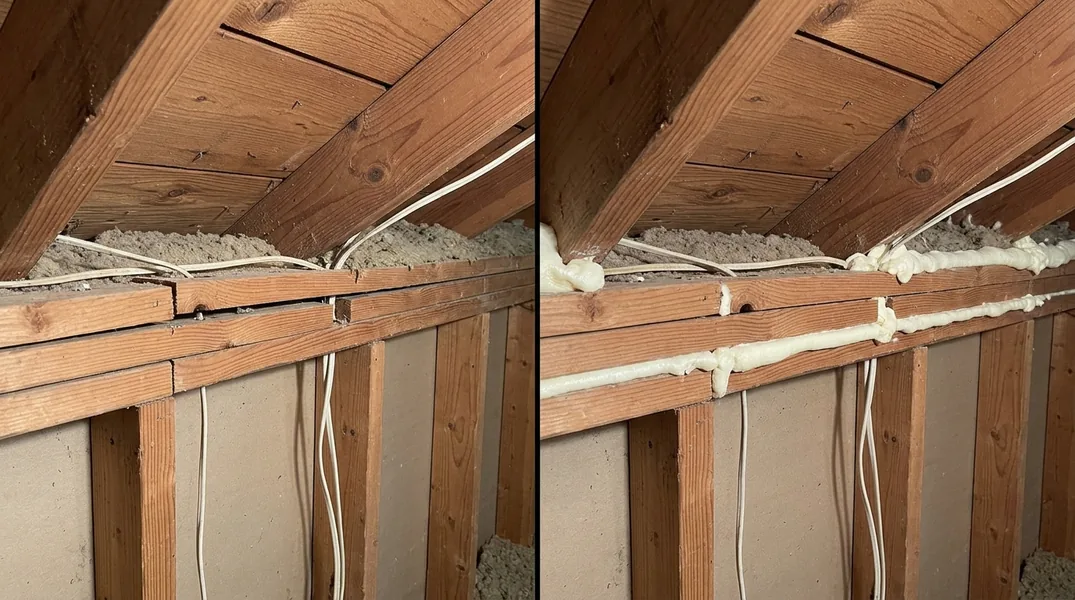
Pier and beam insulation using spray foam solves these problems by sealing the rim joists, band boards, and exposed framing with a continuous, airtight layer. This approach is far superior to traditional best insulation for crawl space solutions because it eliminates thermal bridging and moisture pathways simultaneously. Homeowners report noticeably warmer floors, reduced energy bills, and improved comfort within weeks of installation. The spray foam adheres tightly to irregular surfaces and wood members, providing both insulation and air sealing in one application.
Cold Floors Insulation: A Practical Solution for Mixed-Humid Homes
Cold floors are a signature complaint in homes with inadequate cold floors insulation. In Columbia's mixed-humid climate, this problem stems from uninsulated or poorly insulated crawl spaces and rim joists. Heat naturally migrates downward and outward, especially when the space beneath your home is open to outdoor temperatures. Traditional fiberglass batts in crawl spaces compress over time, trap moisture, and fail to seal air leaks, leaving your feet cold and your energy bills high.
Spray foam addresses cold floors by creating a thermal and moisture barrier that stops heat loss at the source. When applied to crawl space rim joists, band boards, and walls, closed cell foam prevents air infiltration and provides consistent R-value year after year. The result is noticeably warmer floors, especially in bedrooms and living areas directly above the crawl space. Many homeowners also notice that their HVAC systems run less frequently because conditioned air stays inside the home rather than leaking into the crawl space. This improved comfort and efficiency make spray foam one of the most cost-effective upgrades for homes with cold floor problems.
Energy Savings and Long-Term Benefits of Spray Foam in Columbia's Climate
The financial case for spray foam insulation is compelling, particularly in mixed-humid climates where HVAC systems work overtime fighting both temperature swings and humidity. Homeowners who invest in Closed Cell Spray Foam Insulation in crawl spaces and attics report energy savings ranging from 15 to 30 percent depending on the scope of the project and the condition of the home before insulation. In Columbia, where summer cooling costs can be substantial, these savings accumulate quickly.
Beyond immediate energy bill reductions, spray foam insulation protects your home's structural integrity and resale value. By preventing moisture infiltration, you avoid costly repairs to rim joists, band boards, and subflooring. The air-tight seal also improves indoor air quality by reducing the infiltration of outdoor dust, pollen, and humidity. These long-term benefits, combined with the durability of spray foam (which can last the lifetime of your home), make it a smart investment for any homeowner in Columbia looking to improve comfort and reduce operating costs.
Getting Started: Contact Columbia Spray Foam Insulation Today
If you're ready to address cold floors, high energy bills, or moisture problems in your Columbia home, Columbia Spray Foam Insulation is here to help. Our team specializes in crawl space spray foam, attic insulation, and pier and beam insulation solutions tailored to the unique demands of our local climate. We understand mixed-humid conditions and know exactly which spray foam products and application techniques deliver the best results.
The first step is simple: reach out for a free estimate and let our experts assess your home's insulation needs. We'll walk you through your options, explain the benefits specific to your situation, and provide transparent pricing so you know exactly what to expect. Call us today at (573) 685-4104 or visit our website to schedule your consultation. Your warmer floors and lower energy bills are just one phone call away.
Looking for a professional spray foam insulation contractor in Columbia? Columbia Spray Foam Insulation responds fast for all your spray foam insulation needs.
Get a Free Quote